
It's Just Stuff

It’s Just Stuff
I’ve written before—A Tale of Two Turtles—about Curious George, the stuffed toy who became integral to my well-being when I started therapy and Al-Anon meetings after my father’s death. I’d never dealt with his alcoholism while he was alive, partly because I was naïve. Or maybe I was in denial.
A few weeks after Dad’s funeral, I talked to Mom. For the umpteenth time, she went on and on about his drinking and how angry she was—if he’d only stopped, he’d still be alive. I resisted the urge to remind her that he’d been a two-pack-a-day smoker since he was eleven, and that he’d had three heart attacks before the fourth one killed him. Instead, I offered the occasional mm-hmm or yeah, I bet.
Legally, you can’t libel the dead, but I was getting fed up with what felt like baseless accusations. I should point out that even then, Mom’s relationship with reality wasn’t as strong as her devotion to Drama—with a capital D.
I called Sister to complain, expecting sympathy. Instead, she hit me with reality.
“Dude. Dad was a drunk.”
“He was not!”
“Don’t you remember…?” And she proceeded to list a catalog of missed school events, hangovers, fights—everything tied to his drinking.
The scales fell from my eyes. I was lost. The man I’d been grieving wasn’t really my dad, at least not the version I’d believed in. I needed help to adjust. I found a therapist who sent me to my first Al-Anon meeting and introduced me to John Bradshaw’s inner-child work.
Enter Curious George.
I won’t repeat everything from A Tale of Two Turtles here, but you should know this: although George didn’t go with me to boot camp, he did go with me to Disney World, Corps School, Camp Lejeune, Okinawa, and finally Birmingham. When the church made a photo directory, George was with me in my picture
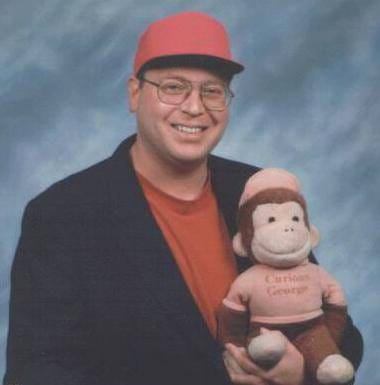
.
I’ve written so much about Neighbor that if you don’t know who he is by now, that’s on you.
We both worked at the Naval Hospital—he in Labor and Delivery, me in the ER. One day, when he was off, he drove me to work. Instead of dropping me off, he came inside with me. I was assigned to the trauma beds that day and, as usual, started my shift by checking equipment and the crash cart in Trauma One. In all my time in Okinawa, Trauma Two was used only once, which I write about in I Know Something You Don’t Know.
Part of my checklist was making sure there was EKG paper in the bedside monitor. Neighbor and I chatted while I worked. I can’t remember which of us had the idea, but there are three leads on a heart monitor: one on the upper left chest, one on the upper right, and one on the lower left abdomen. I put one lead on my chest, one on Neighbor’s, and we held hands, cupping the third lead between our palms.
I turned on the machine.
We expected gibberish. Instead, an honest-to-God heart rhythm appeared on the screen. The “patient” was clearly in need of a pacemaker, but it was a legitimate EKG. I printed the strip showing our conjoined hearts and put it in my wallet.
For several years, I was the youth minister at church. The youth group was officially called EYC. I never did know what the C stood for. I assumed the E was Episcopal and the Y was Youth, but who knows. I called it Yoot Groop and referred to the kids collectively as yoots. I may or may not have just seen My Cousin Vinny.

Jack was fifteen when he joined the Yoot Groop. He was an extraordinarily gifted artist—art is how he makes his living today. One of the female yoots, Lisa, clearly had a crush on him. Her flirting made him uncomfortable, but he was never unkind. He treated her like a kid sister.
You’re not supposed to have favorite kids, students, or yoots. Jack wasn’t my favorite—but I did feel protective of him. All my yoots were good kids, yet I was ready to step in at the first “you’re so gay” comment aimed his way.
When Jack was seventeen, he invited me to help with his Eagle Scout project. He was creating a mural in his mother’s church, painted over a collage of sheet music. We started by gluing the pages to the wall. He would do the actual painting.
It was a big project. By late afternoon, everyone had left except the two of us. We worked into the night. Twice his mother came back—once with fast food, once because…who knows.
While we ate, Jack came out to me.
We talked a long time. The details are between him and me. He did tell me that coming out to his mother had gone badly. Her repeated returns, he said, were because she didn’t trust me. Maybe she blamed my gayness for his. Maybe she thought all gay adults preyed on teens. I don’t know.
Later, Jack asked me to be the keynote speaker at his Eagle Court of Honor.
He went on to the Savannah College of Art and Design and shared his work with me. I was stunned—especially after a year in Europe, when he showed me paintings he’d “forged” in the styles of the great masters. The kid had serious talent.
After graduation, I received a small package from him. Inside was the gold honors sash he’d worn over his gown, along with a note. At SCAD, honors graduates dedicate their graduation to the people most responsible for getting them there. Before donning the sash, they write to those people explaining why.
I know how this sounds. No one likes a Substack that reads Aren’t I great? But the note credited me with far more than I deserved—some things I didn’t even know I’d done. The TL;DR version was this: I was an example of a happy gay adult.
I’ve changed Jack’s name to protect his privacy, but the line that floored me was this: he’d contemplated suicide in high school.
“The reason I didn’t do it,” he wrote, “is because of you. I knew the shit in my life wouldn’t last forever, and that there was joy on the other side.”
A few months later, he gave me his favorite painting—and mine. It hung above the fireplace. On the mantel below it sat the folded graduation sash
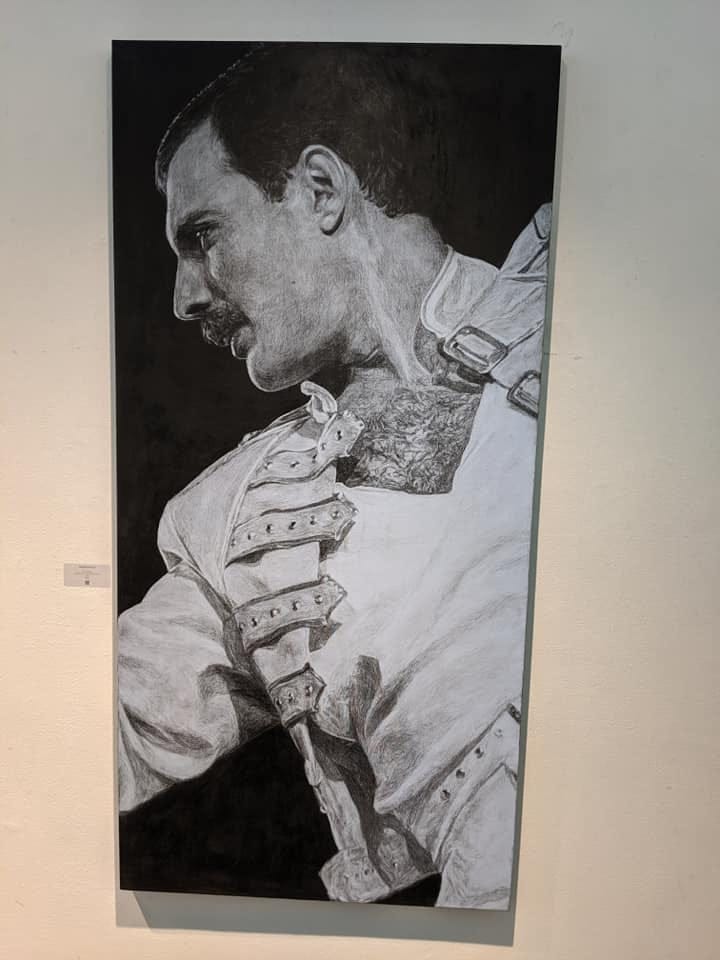
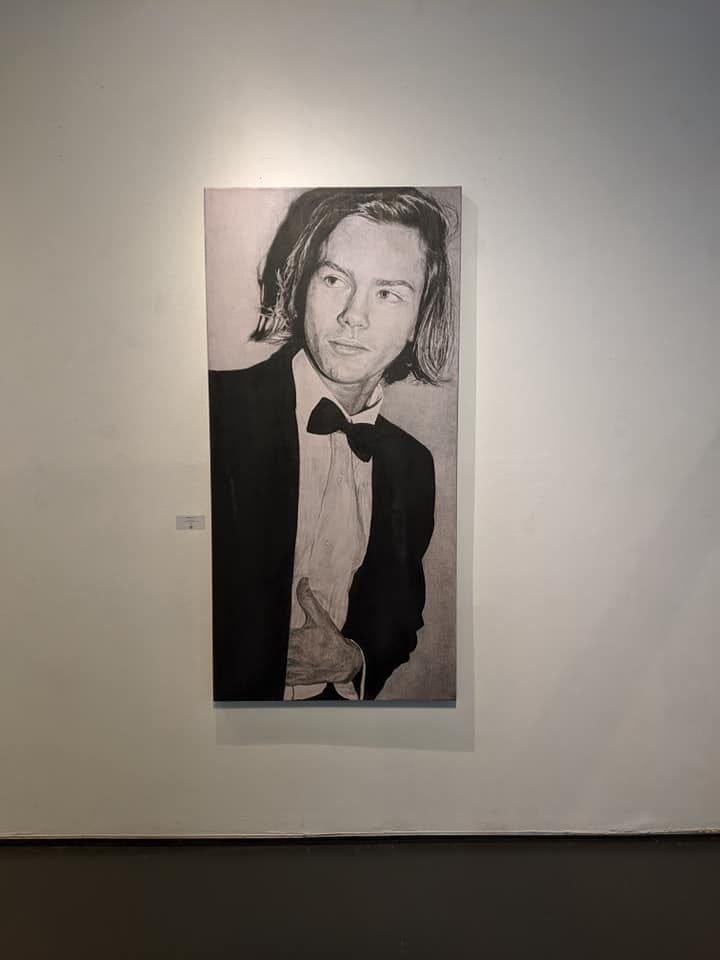

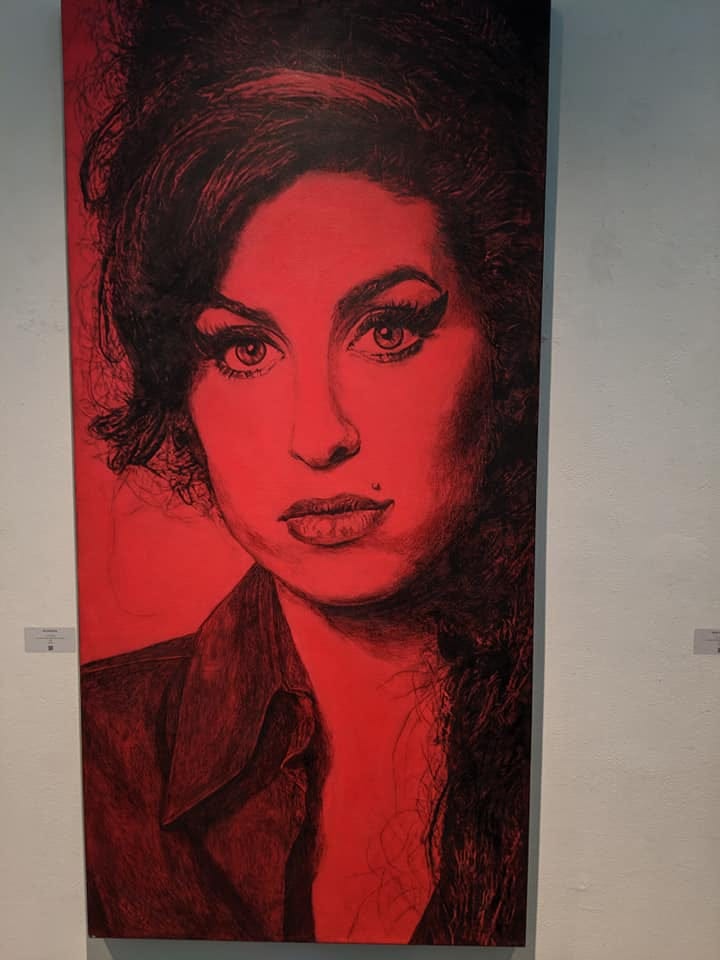
.
I’ve never written a Substack about my cat Kingsford, but I should. Just as you’re not supposed to have favorite kids, you’re not supposed to have favorite pets. I loved all my animals, but Kingsford—damn her—was my favorite.
I adopted her and her sister Heidi after my neighbor’s cat, Mehitabel (not her real name, but some of you know why), fell for a smooth-talking tom and came home pregnant
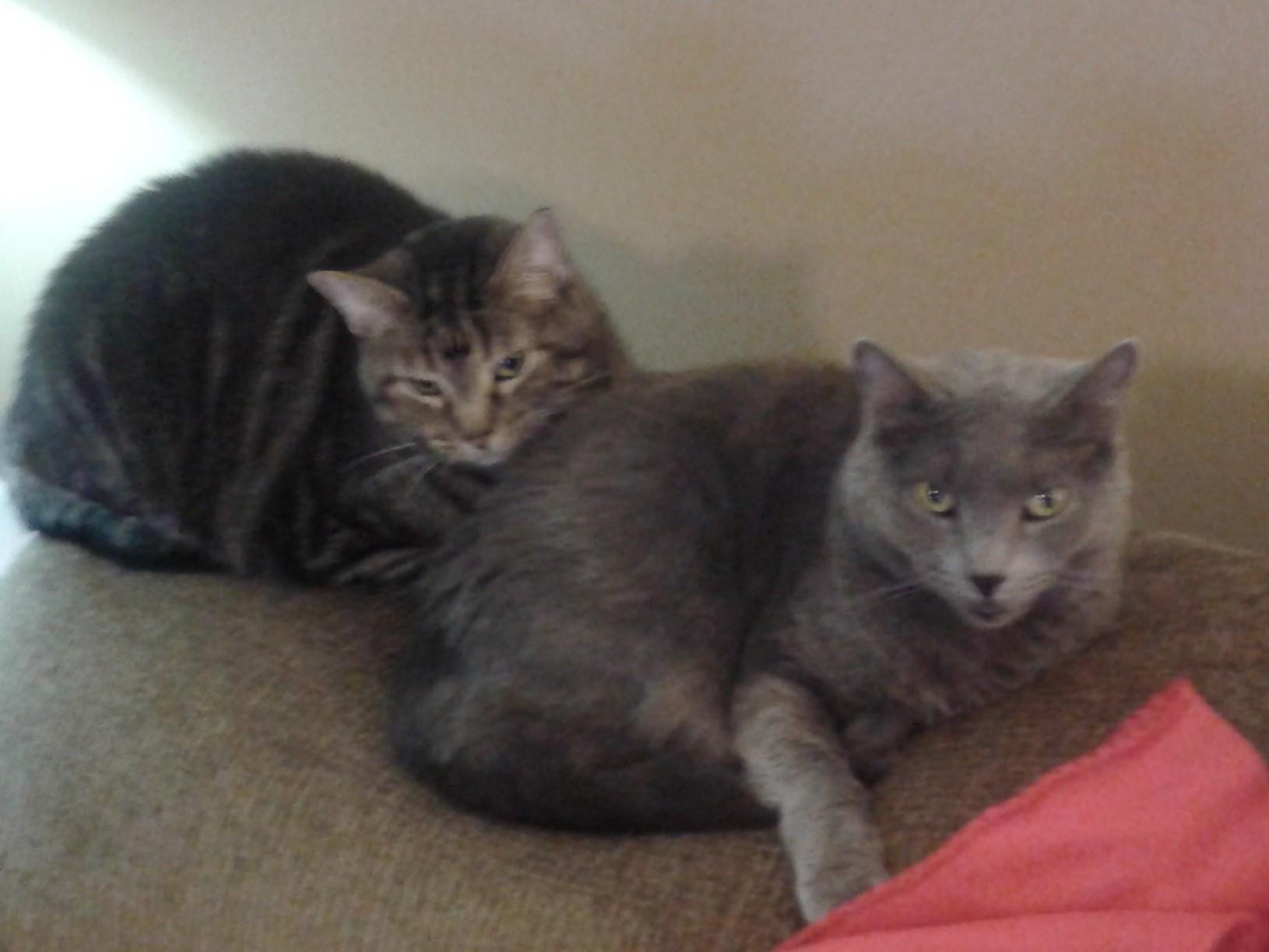
.
The cats were senior kittyzens by the time Mom moved in with me—between assisted living and skilled nursing. All was well for a few months but then she declined faster than I expected. Her multiple sclerosis progressed until she couldn’t walk the ten steps from bed to bathroom, even with a walker. Soon she was bedridden. I brought her meals, changed her, changed the sheets—everything. I worked eight-hour days; if she soiled herself while I was gone, she had to wait until I got home.
Every time I told her she needed more care than I could provide, she cut me off.
“Please don’t put me in a nursing home,” she cried.
Kingsford was failing too. Her kidneys gave out. She lost weight. She was miserable. I had her put down—one of the hardest things I’ve ever done. I sobbed uncontrollably at the vet.
Two days later, Mom went completely batshit in a matter of hours. She lay in bed, grinning like the Cheshire Cat, repeating, “Goodness gracious!” I couldn’t make her understand me, and God knows I didn’t understand her.
“Mom,” I said, “I’m calling an ambulance.”
That snapped her back for a moment. She refused to go by ambulance. If she told the paramedics no, they’d have to honor it.
So I half carried, half dragged her downstairs and into the car. When I pulled into the ER ambulance bay, a nurse came out to tell me I couldn’t park there.
“My mom’s in the car,” I said. “She’s immobile. And half naked.”
Mom was wearing a T-shirt and Depends. The nurse summoned help. They got her into a wheelchair.
It turned out she wasn’t in dementia overdrive at all. She had a UTI. In MS patients especially, urinary infections can cause severe altered mental states. She was admitted, and I knew she wouldn’t be coming home. I began the process of placing her in skilled nursing.
When I came home the next day, I started upstairs to change Mom—and then remembered someone else was doing that now.
Poor Heidi. First her sister disappeared. Then Mom, whom she adored, was gone. She sat on my lap, rubbing I-Love-You snot all over my arm for nearly an hour.
“I have to eat,” I told her, gently nudging her away.
I took a Swanson’s lasagna for one out of the freezer. The microwave over the stove had been broken for months. The working one sat on the dining-room buffet.
It was mid-March, and spring had called in sick. It was bitterly cold. The furnace had broken the week before. YouTube helped me diagnose the problem—an easy fix for someone who knew what they were doing, which was not me. I couldn’t afford a repairman.
Mom had a space heater and an electric blanket. I had a space heater by my recliner.
The heater and the microwave weren’t on the same circuit, but they both drew a lot of power. If I ran them together, the breaker tripped. Usually I remembered to turn the heater off.
That night, I didn’t.
As soon as I started the microwave, I heard a loud POP! The house went dark. Heidi ran upstairs to hide.
Cursing myself, I walked toward the garage to reset the breaker. My shadow danced along the hallway wall.
That’s weird, I thought. If the lights are off, what’s making a shadow?
The flickering glow came from the living room.
Flames. They’d started at the heater outlet and spread to the carpet and a newspaper by the recliner. About the size of a campfire.
I ran for the fire extinguisher I’d bought years earlier. It was buried behind twelve-packs of soda. I wasted precious seconds digging it out.
By the time I returned, the campfire was becoming a bonfire.
I squeezed the handle. Nothing. After ten years, the canister had no pressure.
The fire was now too big. I grabbed my wallet, keys, and phone and ran to the garage. The power door was dead, so I released it manually.
I’d picked up my piece-of-shit Prius earlier that day after paying $1,700 for what felt like its hundredth repair. After that ransom, damned if I was going to let it burn. (In hindsight, I should have. I might’ve gotten a better one. Side note: everyone I know who has a Prius loves it. I got a lemon. An extra-tart one. A mechanic once asked me, “Did you know the plural of Prius is Prii?” I said, “I thought it was crapmobiles.”)
I backed the car out, then called 911.
“My house is on fire.”
I confirmed my address. She told me to stay on the line, but I had neighbors to warn.
The young couple next door was already outside, demanding to know what I’d done. I ignored them and ran to the other neighbor’s door, pounding and calling Cathy’s name. She finally answered in a nightgown.
By then, the fire department arrived. There was nothing to do but take pictures, which I did
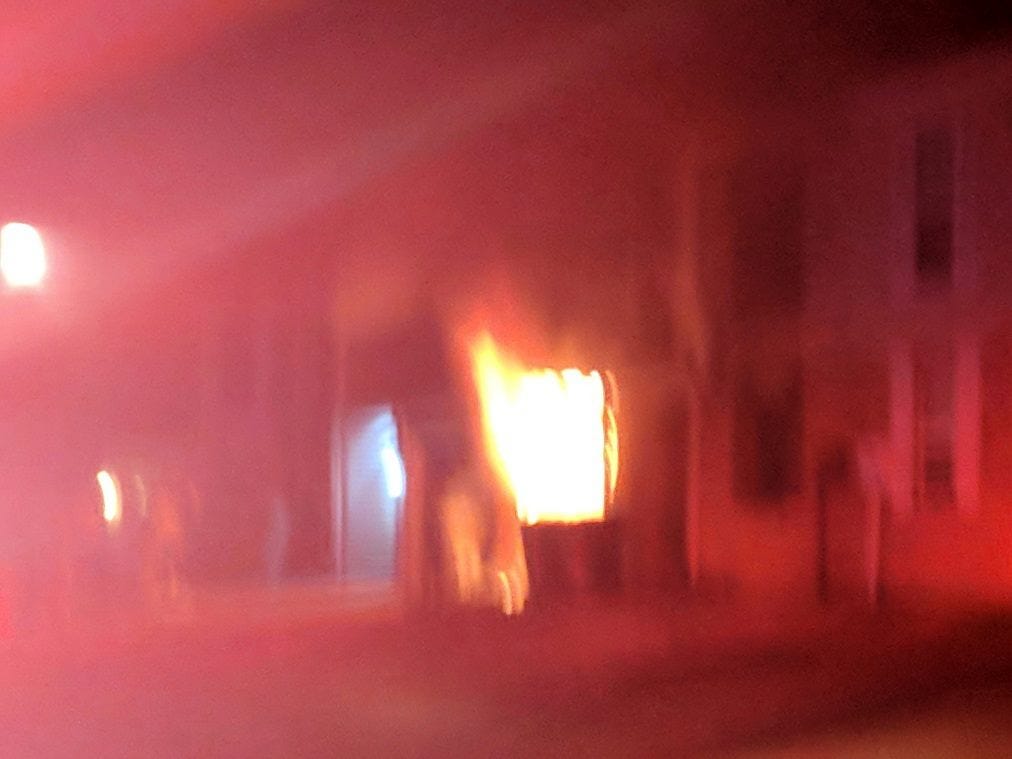
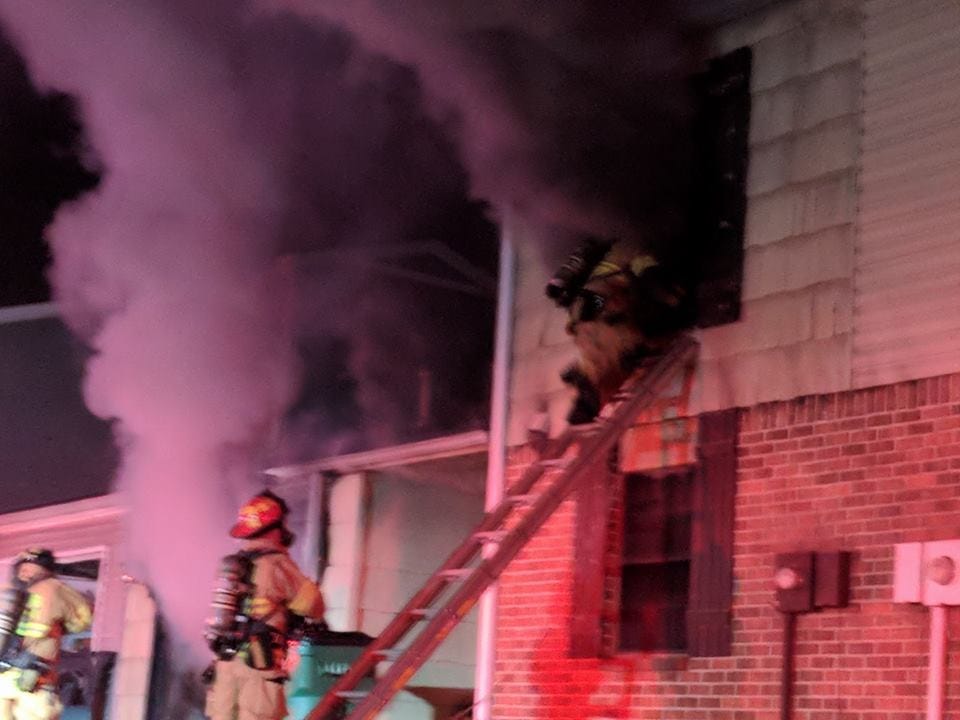
.
I prayed Heidi had succumbed to smoke before the flames reached her. I rubbed the I-Love-You snot still drying on my arm. The fire chief asked if I wanted them to bring her to me. I couldn’t bear it. I told him to please find her—and take her with them.
It was thirty-something degrees, and I wasn’t dressed for it. Neighbors gathered. A woman across the street wrapped a blanket around my shoulders and side-hugged me.
“Thank God your mother wasn’t home,” she said. “You never could’ve gotten her out. The rest is just stuff. You can replace stuff.”
She meant well. I nodded as we watched the fire consume my home.
I imagined Curious George burning on the dresser. I pictured my only photos of Neighbor and me, and the yellowed EKG strip showing two hearts beating as one, turning to ash. I ached at the thought of Jack’s painting and his sash.
My neighbor meant well.
But some stuff cannot be replaced.
So true, some cannot be replaced. You've done a good job of memorializing the irreplaceable. <3